introduction: when choosing a japanese cloud server, in addition to hardware and availability zones, you also need to consider network latency, compliance requirements, japanese language support and billing model. this article sorts out the functional focus and applicable scenarios of common platforms to help seos and technical decision-makers quickly select suitable solutions.
the japanese market has both large international cloud vendors and local dedicated service providers. international manufacturers are characterized by global services and rich ecosystems, while local manufacturers place more emphasis on local network optimization, compliance and local support. the choice should be weighed based on business scale, cross-border needs and localization requirements.
international cloud platforms have advantages in product lines, management consoles and ecological integration, and are suitable for enterprises that require global deployment or complex cloud services (such as big data and ai). but its local support and billing language may not be as intuitive as local vendors, and network paths sometimes rely on international backbone lines.
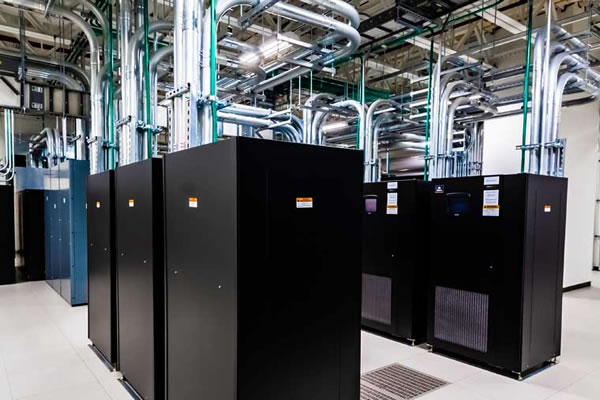
local and regional manufacturers usually have lower domestic latency, more convenient customer service and compliance support, and are easy to connect with local operators and partners in japan. they have obvious advantages in local network optimization, japanese technical support and fast response.
function comparison should focus on available instance types, storage performance, snapshot and backup mechanisms, dedicated line and vpc interconnection capabilities, as well as ddos protection and compliance audit logs. different platforms vary in the maturity of managed databases, managed kubernetes, and managed security services.
the specific city and number of availability zones in the data center directly affect latency and redundancy capabilities. nearshore deployment can reduce user-side latency and improve availability through cross-availability zone redundancy. when selecting, you should evaluate the main access locations and disaster recovery requirements of the business, and avoid looking at only a single performance indicator.
compliance (e.g. data residency, privacy protection) and japanese language support are important considerations in the japanese market. some companies need to meet industry regulatory or customer requirements. in this case, local manufacturers or international manufacturers that provide local compliance consulting may be more suitable. the degree of localization of technical documentation and sdk also affects the speed of online launch.
different platforms provide various billing models such as pay-as-you-go, annual and monthly subscriptions, and reserved instances. cost optimization requires a combination of load characteristics and elasticity strategies. also look at network traffic billing, snapshot and backup fees, and third-party service integration costs to compare the total cost of ownership (tco) rather than individual prices.
summary: when choosing a japanese cloud server, you must comprehensively consider five aspects: business boundaries, latency requirements, compliance, technical ecology, and long-term operation and maintenance costs. it is recommended to conduct a small-scale pilot first to evaluate network performance and local support, and then decide on the final platform based on tco and scalability.
- Latest articles
- Cost And Service Comparison Helps You Determine Whether Thailand IDC Computer Room Hosting Is Suitable
- Identification And Long-term Cost Evaluation Method Of The Sustainability Of Special Japanese Vps Discounts
- How To Use Korean Native IP To Localize Traffic And Target Content Delivery
- How To Formulate Strategies For SEO And User Experience Optimization Based On The Characteristics Of Hong Kong Cn2 And Ctg
- Hong Kong Vps Shatin Node Quick Start Guide Includes Speed Test, Connectivity And Security Settings
- Malaysia Server Cloud Computer Deployment Strategy And Enterprise Remote Collaboration Solutions
- Cambodian Server Alibaba Cloud Environment Construction And FAQ Summary For Developers
- Beginners Must Read The Advantages And Disadvantages Of Ultra-low-priced VPS In The United States And Real Speed Test Reports
- Cloud Server Vietnam Migration Guide: Steps And Risk Control From Data Synchronization To Traffic Switching
- Comparison Guide: Advantages And Disadvantages Of Japanese Native IP L2TP And Other Protocols
- Popular tags
-

Price Comparison Of Alibaba Cloud’s Japanese Servers: Cost And Performance Differences Among Domestic And Overseas Cloud Providers
Compare the costs and performance of Alibaba Cloud’s Japanese servers with those of major cloud providers at home and abroad, analyze billing models, latency, bandwidth, compliance, and operational impacts, and provide purchasing recommendations. -

Industry Application Perspective Japanese Vps Video Tutorial Practical Guide For E-commerce And Games
from the perspective of industry application, this article systematically explains the key points of deployment, performance optimization, security and operation and maintenance of japanese vps in e-commerce and gaming scenarios. in conjunction with the video tutorial path, executable practical guidance and suggestions are provided. -
Monitor And Alarm Japanese Vps Packet Loss Solution To Build An Efficient Fault Warning System
this article introduces the monitoring and alarm strategy for japanese vps packet loss, including key indicators, collection methods, alarm design, fault location and automatic recovery, to help build an efficient fault warning system and improve availability and response efficiency.